

How to Produce Anti-Slip Elastic Tape for Sportswear and Underwear
Anti-slip elastic tape is widely used in sportswear, underwear, medical garments, safety equipment, and fashion accessories. By applying silicone coating to elastic tapes, manufacturers can improve grip, prevent slipping, and enhance product performance.
As the demand for functional textiles continues to grow, many manufacturers are looking for efficient solutions to produce high-quality anti-slip elastic tape. Understanding the silicone coating process and selecting the right equipment are key factors in achieving consistent production results.
What Is Anti-Slip Elastic Tape?
Anti-slip elastic tape is an elastic webbing material coated with silicone on one or both sides. The silicone layer creates friction between the tape and the fabric or skin, helping to keep garments securely in place.
Common applications include:
- Sports bras
- Leggings
- Compression garments
- Medical supports
- Shoulder straps
- Safety equipment
- Lingerie and underwear
The quality of the silicone coating directly affects durability, grip performance, and customer satisfaction.
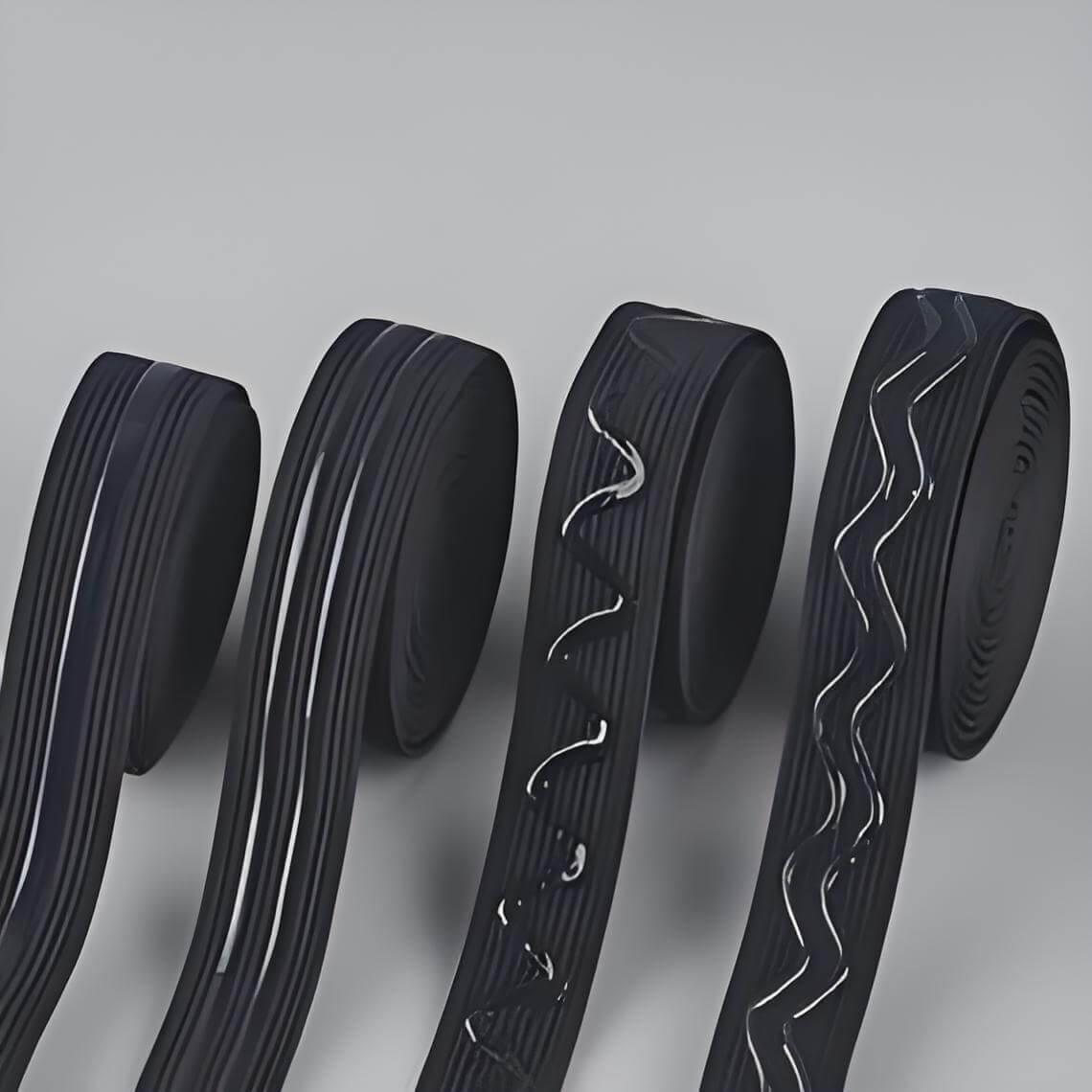
Silicone coating offers several advantages:
- Increased friction and grip
- Improved wearer comfort
- Better washing resistance
- Long-lasting anti-slip performance
- Enhanced product value
Manufacturers that produce premium elastic tapes often use silicone coating to differentiate their products in competitive markets.
The Silicone Coating Process for Elastic Tape
The production process generally includes the following steps:
1. Elastic Tape Feeding
The elastic tape is fed continuously into the production line under controlled tension.
2. Silicone Application
Liquid silicone is applied precisely onto the tape surface according to the required pattern and coating thickness.
3. Drying and Curing
The coated tape passes through a heating system where the silicone is cured to achieve strong adhesion and durability.
4. Cooling and Rewinding
After curing, the tape is cooled and rewound for further processing or shipment.
For manufacturers seeking stable production, a professional silicone coating machine for elastic tape can significantly improve efficiency and coating consistency.
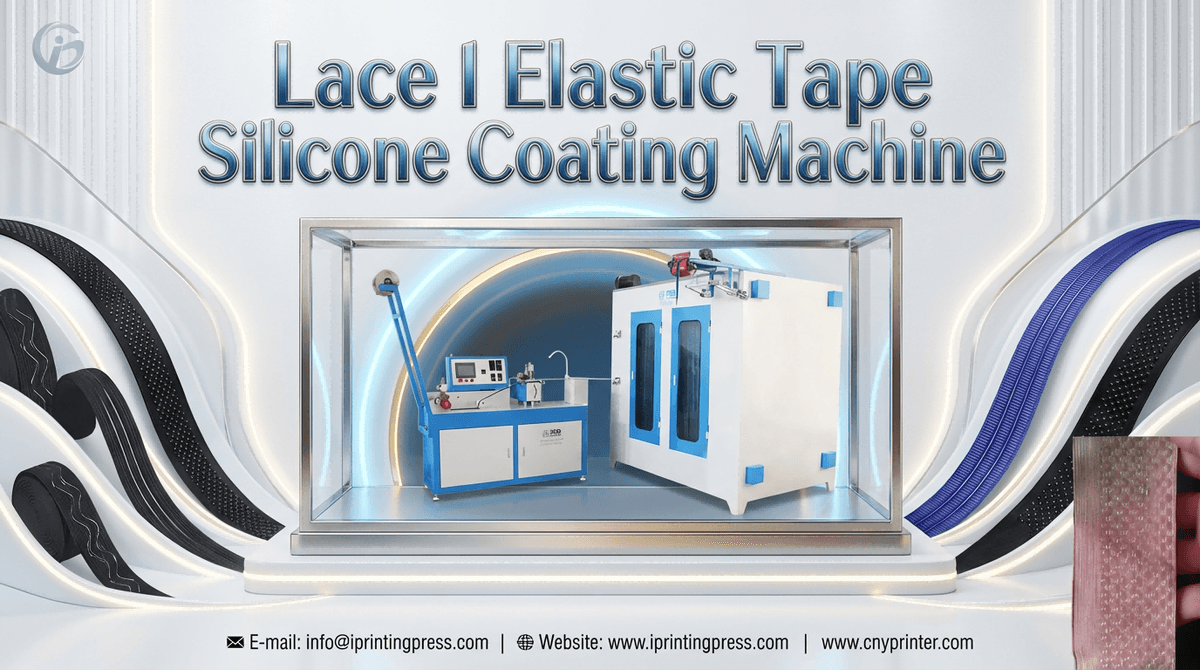
When selecting equipment, manufacturers should consider:
Production Speed
The machine should match current and future production requirements.
Coating Accuracy
Uniform silicone application helps reduce material waste and improve product quality.
Heating System
A stable curing system ensures strong silicone adhesion and consistent performance.
Automation Level
Automated controls can reduce labor costs and increase production efficiency.
A modern elastic tape silicone coating machine allows manufacturers to achieve high-quality results while maintaining competitive production costs.
Industries That Use Anti-Slip Elastic Tape
Anti-slip elastic tape is widely used in:
- Sportswear manufacturing
- Underwear production
- Medical textile manufacturing
- Orthopedic support products
- Fashion accessories
- Safety equipment production
As these industries continue to grow, the demand for reliable silicone coating solutions is expected to increase.
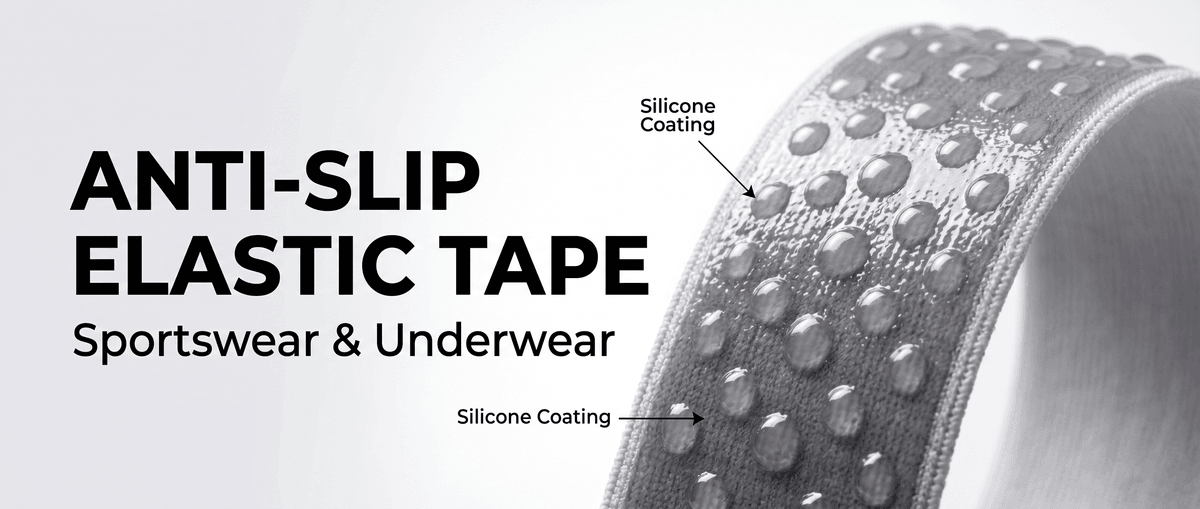
Manufacturers often encounter issues such as:
- Uneven silicone coating
- Poor adhesion
- Excessive material consumption
- Inconsistent curing temperatures
Using a professional silicone coating solution for elastic webbing can help minimize these problems and improve production stability.
Conclusion
Producing high-quality anti-slip elastic tape requires a reliable coating process, proper curing technology, and suitable production equipment. As customer expectations continue to rise, investing in advanced silicone coating technology can help manufacturers improve product quality and expand market opportunities.
If you are looking for an efficient solution for anti-slip elastic tape production, exploring a professional silicone coating machine for elastic tape manufacturing can be an important step toward increasing productivity and product value.